
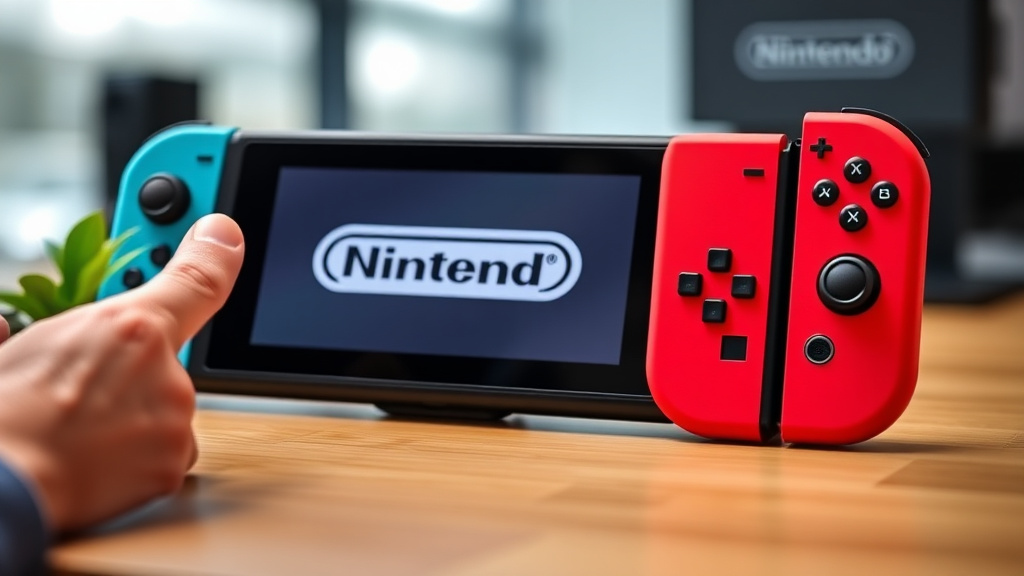
Nintendo has broken away from conventional gaming console expectations by announcing strong financial results through alternative revenue channels. The video game company’s deliberate growth into portable devices and profitable brand collaborations has proven remarkably profitable, diversifying its income beyond hardware and physical game sales. This article analyzes how Nintendo capitalized on emerging markets and strategic partnerships to realize significant expansion, examining the major smartphone games and intellectual property agreements that transformed the business’s income model and what this means for its upcoming plans.
Mobile Game Revenue Growth
Nintendo’s smartphone gaming segment has emerged as a significant financial powerhouse, providing considerable support to the company’s overall revenue growth. The strategic shift toward portable gaming systems has given Nintendo the ability to tap into enormous player bases worldwide, broadening its potential customer base well outside of traditional gaming audiences. This varied business approach has proven remarkably effective, creating substantial yearly income and positioning mobile gaming as a pillar of Nintendo’s current operations.
The strong performance of mobile gaming has substantially reshaped Nintendo’s earnings direction, with mobile titles regularly appearing among the highest-grossing games globally. By leveraging its beloved intellectual properties and creating engaging free-to-play experiences, Nintendo has built sustainable revenue streams through in-game transactions and time-limited offerings. This approach has not just enhanced shareholder wealth but also reinforced brand connection, creating numerous engagement opportunities for user participation across multiple markets and user groups.
Pokemon GO and Fire Emblem Success
Pokemon GO stands as one of the leading mobile gaming sensations in history, earning over six billion dollars in total earnings since its launch in 2016. The AR experience transformed position-based play and sparked unprecedented cultural impact, establishing Nintendo as an leader in mobile entertainment. Ongoing updates and themed events have preserved player participation, showcasing the lasting popularity of Nintendo’s signature series in the portable gaming sector.
Fire Emblem: Heroes has likewise demonstrated impressive commercial success, becoming one of Nintendo’s top-earning mobile titles. The tactical role-playing game successfully adapted the Fire Emblem franchise for mobile audiences, generating steady revenue through summoning mechanics for characters and time-limited events. Its performance confirmed Nintendo’s approach to adapting console franchises for mobile platforms, proving that thoughtful adaptation could drive both critical recognition and significant financial gains.
Forward-Looking Mobile Plan
Nintendo’s future mobile strategy focuses on creating premium experiences that support premium price points while maintaining accessibility for casual players. The company aims to grow its catalog with fresh original games and adaptations of existing franchises, focusing on underserved mobile gaming audiences. Focus on live operations platforms and community-building features will boost how long players stay and customer lifetime earnings, driving consistent revenue increases.
Looking ahead, Nintendo intends to deepen integration between mobile and console gaming experiences, creating interconnected ecosystems that promote cross-platform engagement. The company acknowledges mobile gaming’s significance as a entry point for broader Nintendo experiences, using mobile titles as gateways for players who may eventually transition to console gaming. This comprehensive strategy positions Nintendo to sustain its mobile gaming momentum while strengthening its overall ecosystem.
Licensing Partnership Growth
Nintendo’s licensed collaborations have proven to be a major income source, expanding the company’s signature characters and brands outside of conventional video game consoles. Strategic collaborations with movie studios, fashion companies, and theme parks have generated substantial licensing fees and royalties. The popularity of the Super Mario movie and new theme park installations showcase how Nintendo utilizes its beloved intellectual property throughout various sectors. These collaborations not only boost profitability but also enhance brand awareness and customer interaction internationally, generating multiple touchpoints for Nintendo enthusiasts worldwide.
The increase of licensing partnerships demonstrates Nintendo’s sophisticated strategy for brand revenue generation while maintaining quality control over its beloved intellectual properties. Alliances with major companies in entertainment, merchandise, and hospitality sectors have opened new revenue channels not yet explored by the company. From apparel collaborations to major motion pictures, Nintendo carefully selects organizations sharing its brand values. This strategic expansion decreases reliance on hardware revenue cycles and generates consistent, enduring revenue flows that resonate with investors and stakeholders pursuing sustainable expansion prospects in an competitive and evolving entertainment industry.
Financial Performance and Market Impact
Nintendo’s financial results show the strong financial performance of its diversified revenue strategy. Licensing agreements and mobile gaming generated significant incremental revenue, adding substantially to overall earnings growth. The company’s operating profit and net income both grew significantly from year to year, reflecting successful monetization of well-known properties across digital platforms. These earnings improvements underscore the effectiveness of Nintendo’s approach to expanding beyond conventional gaming consoles, placing Nintendo for sustained growth in new market opportunities and digital distribution channels.
The competitive influence of Nintendo’s growth initiatives extends beyond immediate financial metrics. Investor confidence strengthened as analysts recognized the company’s ability to leverage its cherished franchises across multiple revenue streams. Stock performance gained momentum, demonstrating optimism about Nintendo’s future trajectory. The success of smartphone games and licensing deals has sparked widespread acknowledgment of Nintendo’s forward-thinking approach to commerce, influencing how other gaming companies tackle expanding their product range and revenue generation methods in an increasingly digital entertainment landscape.
