
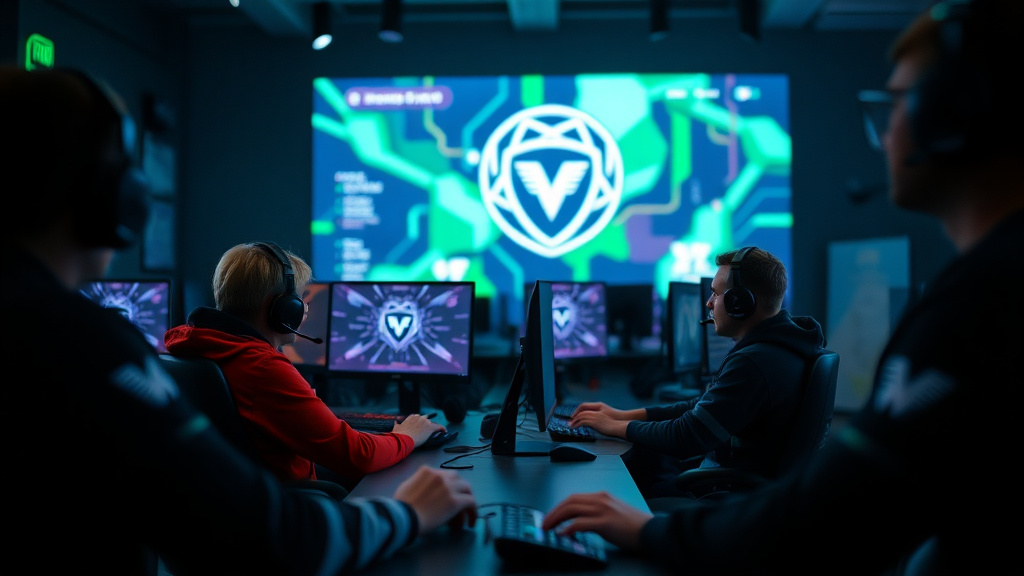
The esports industry is experiencing a significant transformation as leading organizations acknowledge the essential importance of mental health support for their competitive athletes. Facing intense demands, grueling practice schedules, and fierce competitive environments, esports athletes are increasingly vulnerable to psychological strain and exhaustion. In response, leading industry groups are launching comprehensive mental health initiatives, partnering with licensed therapists and wellness experts to provide counseling, coaching, and support resources. This transformative development marks a pivotal moment in elevating the sport’s standards and prioritizing athlete wellbeing alongside performance.
Sector Acknowledgment of Psychological Difficulties
The esports industry has undergone a dramatic awakening regarding mental wellness concerns affecting professional players. For years, the sector focused on competitive success and financial growth while disregarding the mental strain on athletes. However, well-publicized examples of professional burnout and mental health struggles have pushed companies to address an difficult reality: mental health directly impacts both player longevity and competitive success. This recognition represents a core transformation in how the industry views athlete welfare and professional responsibility.
Leading esports organizations now understand that mental health challenges are not weaknesses but genuine workplace risks. Professional gamers experience intense demands from sponsorships, content creation demands, team interactions, and worldwide competition. The sedentary nature of esports, paired with irregular sleep schedules and social isolation, compounds psychological vulnerabilities. Organizations are actively allocating resources in psychological support systems, understanding that prioritizing athlete mental health ultimately enhances team performance and builds lasting, healthy gaming environments for sustained development and success.
Extensive Support Efforts
Major esports organizations are establishing multifaceted mental health programs designed to address the unique challenges experienced by professional players. These initiatives encompass therapy options, health and wellness support, and peer support networks tailored to the esports competitive setting. By investing in extensive support frameworks, organizations exhibit their commitment to player wellbeing and career stability over time. These programs acknowledge that mental health substantially influences competitive performance, team unity, and player contentment in professional esports.
Therapy and Counseling Support
Major esports organizations currently offer access to certified psychological specialists who specialize in supporting competitive athletes. Players get confidential therapeutic support tackling competitive stress, coping strategies, and individual difficulties. These services are commonly provided through in-person and online formats, ensuring accessibility irrespective of team location. Organizations collaborate with psychological experts and practitioners knowledgeable about esports-specific issues, building trusted settings for players to address mental health concerns without fear of judgment or professional repercussions.
The accessibility of professional therapy services signifies a major shift in esports culture, normalizing mental health discussions within professional esports organizations. Players gain advantages through evidence-based therapeutic approaches including CBT and meditation practices. Regular counseling sessions help athletes build resilience skills for intense competitive environments and manage the emotional demands of professional competition. This preventative strategy reduces risk of mental health crises and supports long-term professional sustainability for esports professionals.
Health Initiatives and Support Services
Full-spectrum wellness programs tackle physical and mental health in an integrated way, recognizing their mutual relationship in athletic performance. Organizations offer athletic coaching, nutritional guidance, and sleep optimization programs tailored to esports schedules. Mental wellness initiatives encompass meditation training, stress-reduction seminars, and awareness development. These programs teach players about healthy lifestyle practices that boost cognitive function, emotional strength, and overall wellbeing during demanding competitive seasons.
Esports organizations are establishing dedicated wellness resources such as online platforms, educational materials, and help services accessible twenty-four hours daily. Players gain access to mental health toolkits addressing anxiety management, social isolation prevention, and developing strong interpersonal connections. Many organizations hire wellness coordinators who monitor player mental health trends and tailor support measures to fit individual needs. These resources create supportive ecosystems where players feel valued beyond their competitive achievements.
- Mental health awareness workshops and educational seminars
- Mutual support networks and community building activities
- Stress management and relaxation skills development
- Career guidance and professional advancement support
- Crisis intervention hotlines and emergency assistance resources
Influence on Player Well-being
The introduction of mental health support programs has already shown concrete enhancements in player well-being across involved teams. Players describe lower stress and worry, better sleep patterns, and strengthened mental toughness when utilizing mental health counseling. These initiatives create safer environments where athletes feel comfortable discussing mental challenges without fear of stigma or professional consequences. Initial findings suggests that players using mental health services demonstrate improved concentration during contests and better team bonding, ultimately resulting in enhanced competitive results.
Beyond individual benefits, these programs build organizational cultures that emphasize holistic health paired with competitive success. Players who receive sufficient mental health support exhibit greater job satisfaction and sustained career longevity within professional esports. The normalization of mental health discussions prompts teammates to back each other up proactively, creating community-based wellness initiatives. Organizations establishing comprehensive mental health programs establish themselves as industry leaders, recruiting top talent seeking nurturing settings and demonstrating authentic commitment to player welfare beyond financial incentives.
Future Outlook and Sector Guidelines
As mental health support grows increasingly normalized within esports, industry leaders anticipate establishing extensive guidelines and best practices across organizations. The momentum generated by groundbreaking efforts will likely drive smaller teams and emerging organizations to introduce equivalent measures, creating a culture where mental wellbeing is considered essential rather than optional. This shift promises to advance professional esports to greater levels of maturity and credibility.
Looking ahead, key players see a tomorrow where mental wellness programs are as fundamental to competitive gaming systems as coaching personnel and practice venues. Ongoing partnership between organizations, wellness specialists, and professional player groups will establish professional standards and certification frameworks. By prioritizing psychological wellness alongside competitive achievement, the competitive gaming sector can ensure sustainable careers and healthier professional environments for generations of players to come.
