
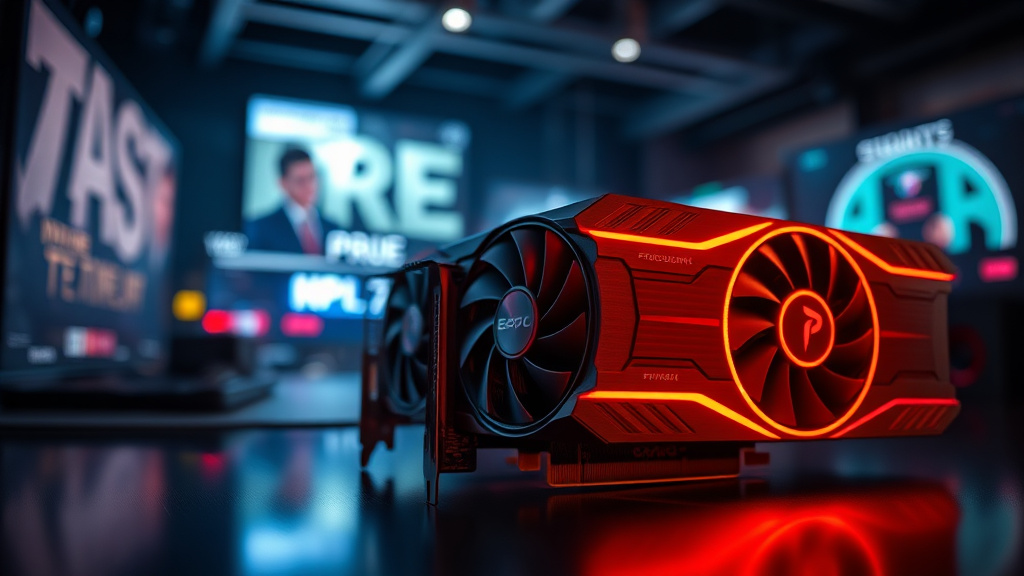
The gaming industry is experiencing a transformative evolution as next-generation graphics cards become available, demolishing performance records and redefining what’s possible for PC gaming enthusiasts. Whether you’re pursuing maximum frame rates at maximum settings or exploring graphically impressive new titles, these powerhouse GPUs deliver the raw performance needed to excel in competitive gaming and engage deeply in stunning digital environments. Discover how the newest advancements in visual rendering are establishing new benchmarks worldwide.
Revolutionary GPU Architecture and Speed Enhancements
The current generation of graphics cards presents groundbreaking architectural innovations that substantially reshape GPU computing. These modern chips include sophisticated processor architectures with higher transistor concentration, enabling significantly higher clock speeds and improved power efficiency. Manufacturers have poured substantial funding in R&D initiatives to create chips that provide outstanding computational power while preserving heat management. The result is a significant advancement in processing capability, allowing gamers to play games at previously unattainable performance levels with exceptional graphical clarity.
Performance metrics demonstrate staggering improvements across all gaming scenarios and resolutions. Frame rates at 4K ultra settings have approximately tripled compared to previous generations, while ray tracing capabilities now deliver visually realistic lighting while maintaining playability. Memory bandwidth has grown considerably, enabling smoother gameplay and reduced stuttering during intense graphical sequences. These improvements result in tangible benefits for gamers, from high-performance competitive games requiring high refresh rates to visually demanding single-player experiences requiring maximum graphical settings.
The architectural upgrades extend beyond raw speed, integrating intelligent power management systems that adjust performance in real time. Advanced cooling solutions integrated directly into the GPU design preserve peak thermal conditions even during extended gaming sessions. Memory setups now enable quicker data retrieval, minimizing delays and boosting overall responsiveness. These extensive improvements function together to create a superior gaming experience that defines new industry standards.
Dedicated CUDA cores and tensor processing elements now handle complex calculations with unprecedented efficiency, enhancing both traditional rasterization and emerging ray-tracing techniques in parallel. The optimized memory structure reduces data retrieval bottlenecks, ensuring that high-performance components never lack sufficient throughput. These architectural refinements resolve persistent constraints that previously constrained gaming performance, allowing developers to create more expansive and visually spectacular game worlds.
Real-world gaming evaluations show that these design improvements translate into meaningful performance improvements across various game collections. Popular AAA titles now achieve smooth 120+ fps at maximum settings on high-res screens, while competitive titles reach competitive 240+ fps performance with ease. The frame delivery consistency has improved dramatically, with reduced frame time variance delivering smoother and more responsive gameplay. These performance improvements represent a major milestone in graphics technology evolution.
The efficiency gains prove equally impressive, as power consumption remains remarkably controlled despite considerable performance improvements. Contemporary production techniques at smaller nanometer scales facilitate this performance efficiency leap, permitting manufacturers to pack increased computing capacity into the same thermal envelope. This equilibrium of performance and power efficiency creates graphics cards that deliver exceptional gaming experiences while staying feasible for typical consumer-level PSUs and cooling infrastructure.
Sophisticated Capabilities Enhancing Gaming Enjoyment
Modern graphics cards include advanced technical innovations that enhance how games are generated and presented. Ray tracing capabilities produce realistic light and reflection effects, while DLSS technology intelligently upscales lower-resolution images to maintain impressive graphics without compromising speed. These sophisticated technologies function in harmony, allowing players to experience unprecedented visual fidelity while preserving smooth, responsive gameplay across demanding AAA titles and professional gaming competitions.
- Live ray tracing for photorealistic lighting effects
- AI-powered upscaling technology increases frame rates substantially
- Advanced cooling systems maintain optimal performance temperatures
- Variable refresh rate support removes screen tearing issues
- Hardware acceleration for content encoding and streaming
The inclusion of machine learning algorithms across modern GPUs allows smart performance optimization that adjusts for individual games without manual intervention. These intelligent technologies assess gameplay patterns in real-time, modifying rendering parameters to provide maximum frame rates and graphics quality at the same time. Gamers gain dramatically reduced input latency and more responsive controls, delivering a edge in competition in competitive multiplayer settings where fractions of a second determine victory.
Memory bandwidth has grown significantly in the latest generation, allowing graphics cards to process massive datasets required for sophisticated environmental features and character models. Advanced memory designs support faster data transfers between GPU and system memory, removing performance constraints that previously limited gaming performance. This architectural advancement allows creators to build expansive, intricately designed environments with sophisticated visual elements, realistic motion dynamics, and complex artificial intelligence systems that were previously impossible.
Industry Influence and Future Gaming Opportunities
Industry Transformation and Business Expansion
The launch of these cutting-edge GPU technology is substantially altering the gaming hardware sector, spurring considerable expansion across the market. Manufacturers are seeing exceptional demand as consumers upgrade their equipment to access next-generation capabilities features. This surge in adoption is spurring innovation processes, encouraging competitors to fast-track development deadlines. The market competition has escalated, benefiting consumers through rapid technological advancement and improved pricing strategies. Market experts anticipate ongoing growth over the next several years as gaming continues to expand worldwide.
Major technology firms are investing heavily in GPU research and development, acknowledging the enormous market potential. Graphics card sales have reached record levels, with premium models capturing significant market portions. This financial success enables manufacturers to allocate greater resources toward future innovations and improvements. The momentum created through current releases is setting new benchmarks for performance expectations. Retailers globally report robust sales numbers, indicating strong buyer interest for these cutting-edge products and their game-changing potential.
Advanced Interactive Entertainment
These graphics cards are unlocking extraordinary gaming experiences previously considered impossible on typical consumer devices. Developers are now creating projects employing advanced ray tracing, machine learning, and photorealistic rendering techniques. Games featuring extremely detailed textures, complex physics simulations, and large-scale virtual spaces are increasingly commonplace. Players can expect smooth performance at 4K resolutions with top-tier visual settings engaged. The technological foundation provided by these GPUs ensures years of exceptional gaming performance and image quality.
Future gaming opportunities go past conventional games into emerging technologies like VR and metaverse platforms. GPUs with advanced computational strength support deep VR engagement with unmatched image clarity and responsiveness. Cloud-based gaming services are taking advantage of enhanced graphics processing, delivering high-quality console experiences to various platforms. Machine learning integration within games creates intelligent NPCs and dynamic environments. These developments position PC gaming at the forefront of digital entertainment, engaging wider audiences worldwide.
Consumer Adoption and Sustained Value
Enthusiasts purchasing these graphics cards are locking in considerable enduring value through sustained performance viability. The generational advancement in capabilities ensures compatibility with forthcoming game titles for years. Producers offer comprehensive driver support and software enhancements, consistently boosting performance throughout the product lifespan. Consumers gain from better stability, new features, and compatibility improvements through frequent updates. This focus on continuous support enhances the value offering for initial buyers and justifies premium pricing.
The accessibility of these powerful GPUs across different budget levels makes available sophisticated gaming capabilities for larger groups of gamers. cost-aware gamers can realize substantial performance upgrades, while serious gamers leverage premium features. This multi-tier strategy drives mass adoption and market reach. As output capacity expand and competitive pressure rises, cost trajectories indicate better pricing. The blend of outstanding capabilities, long-term value retention, and improving accessibility sets these GPUs as significant upgrades for computer gamers globally.
