
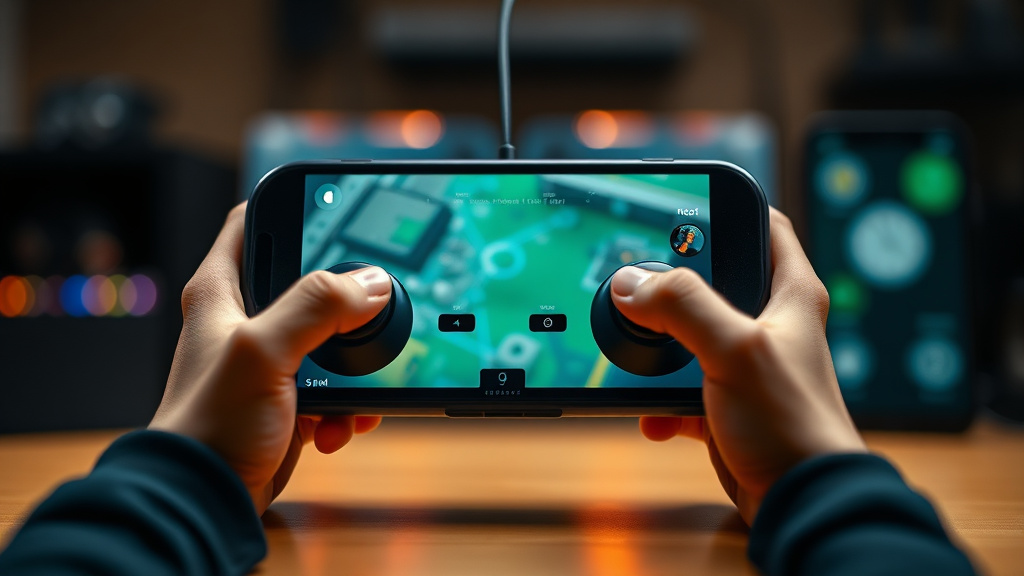
Gaming has entered a new era of immersion with Sony’s groundbreaking DualSense controller, equipped with cutting-edge haptic feedback technology that transforms how players experience their preferred games. The era has passed of basic rumble effects; this innovative controller provides detailed tactile feedback that simulate everything from rainfall to weapon recoil. Discover how haptic feedback is redefining player engagement, generating unprecedented levels of realism and interactivity that dissolve the boundary between virtual and physical worlds.
Cutting-Edge Tactile Response Technology
The DualSense controller’s haptic feedback system delivers a quantum leap in interactive entertainment technology, employing sophisticated vibration motors that deliver precise vibrations with unprecedented precision. Unlike traditional rumble features, this technology generates unique feedback patterns that align closely with in-game events, enabling users to experience the fine distinction between different surfaces and collision types. Each vibration pattern is precisely tuned to enhance immersion, rendering digital gameplay genuinely realistic and reactive to user input.
Sony’s engineers created this haptic system to give developers with fine-grained control over feedback intensity, frequency, and duration. This versatility enables game creators to design unique sensory experiences suited to specific moments, whether simulating the tension of drawing a bow or the gentle patter of rain on a character’s armor. The technology converts the controller from a mere input device into a sophisticated communication tool that speaks directly to players’ senses, significantly changing how gaming narratives unfold.
The impact of haptic feedback extends beyond entertainment value, creating measurable improvements in user participation and emotional connection to games. Players report elevated anxiety during suspenseful moments and increased enjoyment during combat sequences, as the controller’s sensations validate their actions with real haptic responses. This sensory dimension introduces additional depth to game design, enabling developers to create more engaging and immersive gaming experiences.
Compatibility across PlayStation 5’s expanding game library ensures that haptic feedback keeps advancing as developers master the technology’s potential. Major titles now feature sophisticated haptic implementations that showcase the system’s versatility, from racing games that replicate tire grip variations to adventure games that convey environmental textures. This widespread adoption signals haptic feedback’s established role in modern gaming.
The DualSense’s tactile feedback system also tackles inclusive design needs by providing different ways to receive information for players with hearing impairments. By converting sound signals to physical vibrations, the controller guarantees all players can completely engage with game story and emotional content. This commitment to accessibility demonstrates how cutting-edge features can improve the gaming experience for everyone.
How Physical Feedback Boosts User Immersion
Haptic feedback technology in the DualSense controller creates a deep feeling of presence by translating digital actions into tangible physical sensations. When players engage with game environments, they experience realistic feedback that reflects real-world physics and textures. From the subtle vibration of footsteps on different surfaces to the intense rumble of explosions, haptic feedback engages multiple sensory channels simultaneously. This multi-sensory method deepens emotional connections to gameplay, making digital worlds feel remarkably authentic and engaging for players seeking genuine immersion.
The precision of DualSense haptics eliminates the gap between sensory input and tactile response that affected previous gaming generations. Developers can program specific haptic patterns for individual game elements, creating distinct tactile experiences for every action. Whether feeling raindrops pattering on a controller or experiencing the resistance of pulling a bowstring, players get contextually appropriate feedback that improves their comprehension of the game world. This technological advancement transforms inactive play into an active, fully-engaged experience where each movement generates significant tactile responses.
Immersive Experience Via Next-Generation Haptic Feedback
Advanced vibration patterns in the DualSense controller go far beyond simple rumbling effects. The feedback mechanism uses dual actuators that work independently, creating complex vibration sequences that simulate intricate textures and movements. Players can tell apart various material textures, different weapons, and surrounding elements through haptic feedback alone. This granular level of sensory detail allows gamers to develop intuitive understanding of gameplay systems without relying solely on on-screen visuals, significantly enhancing their complete play experience and performance in competitive play.
The spectrum of capabilities of haptic feedback allows developers to design refined tactile experiences that react to gameplay variables in immediate fashion. Haptic patterns increase in intensity during critical moments, providing players with physical alerts and feedback that enhance situational awareness. This responsive technology establishes a feedback loop between player actions and controller responses, fostering greater involvement and immersion. The result is a gaming experience that seems dynamic and reactive, where every interaction has significance and consequence through precisely coordinated haptic sequences.
Gaming Uses and Practical Effects
The DualSense’s haptic feedback system has transformed gameplay across numerous genres, from intense shooter games to immersive RPG experiences. Developers have embraced this innovation to create impactful gameplay experiences where players genuinely feel every interaction. Whether traversing dangerous landscapes or engaging in intense combat sequences, the controller’s advanced haptics provide sensory feedback that elevates emotional engagement and creates stronger bonds between players and their virtual worlds.
Real-world gaming statistics demonstrate the profound impact of haptic feedback on player satisfaction and retention rates. Studios report significant improvements in player immersion metrics and gameplay enjoyment since introducing DualSense haptic features. This technology has become a competitive advantage in the gaming industry, attracting players who seek authentic sensory experiences. The controller’s capabilities have established new benchmarks, influencing how developers tackle game development and player interaction mechanics.
- Realistic weapon recoil mechanics enhances gameplay combat realism
- Contextual haptics create immersive weather and terrain feedback
- Character movement feedback enhances player control accuracy
- Dynamic trigger tension adds strategic depth to the gaming experience
- Sensory feedback increases emotional investment in gaming narratives
Major gaming franchises have utilized DualSense haptic effects to set apart their titles in a highly competitive landscape. Games featuring comprehensive haptic implementation routinely earn praise from both critics and players. The technology permits game makers to convey game mechanics through haptic response, minimizing the need for visual or audio cues. This multi-sensory method opens accessibility possibilities for players with varying accessibility needs while improving the gaming experience across different player groups and playstyles.
Looking ahead, the DualSense controller’s haptic feedback technology represents merely the start of sensory innovation in gaming. As developers continue exploring creative applications, we can expect increasingly advanced haptic solutions that push the boundaries of interactive entertainment. This technological groundwork will probably shape next-generation gaming hardware and design philosophies, ensuring that haptic feedback remains central to gaming experiences ahead and gamer expectations.
